
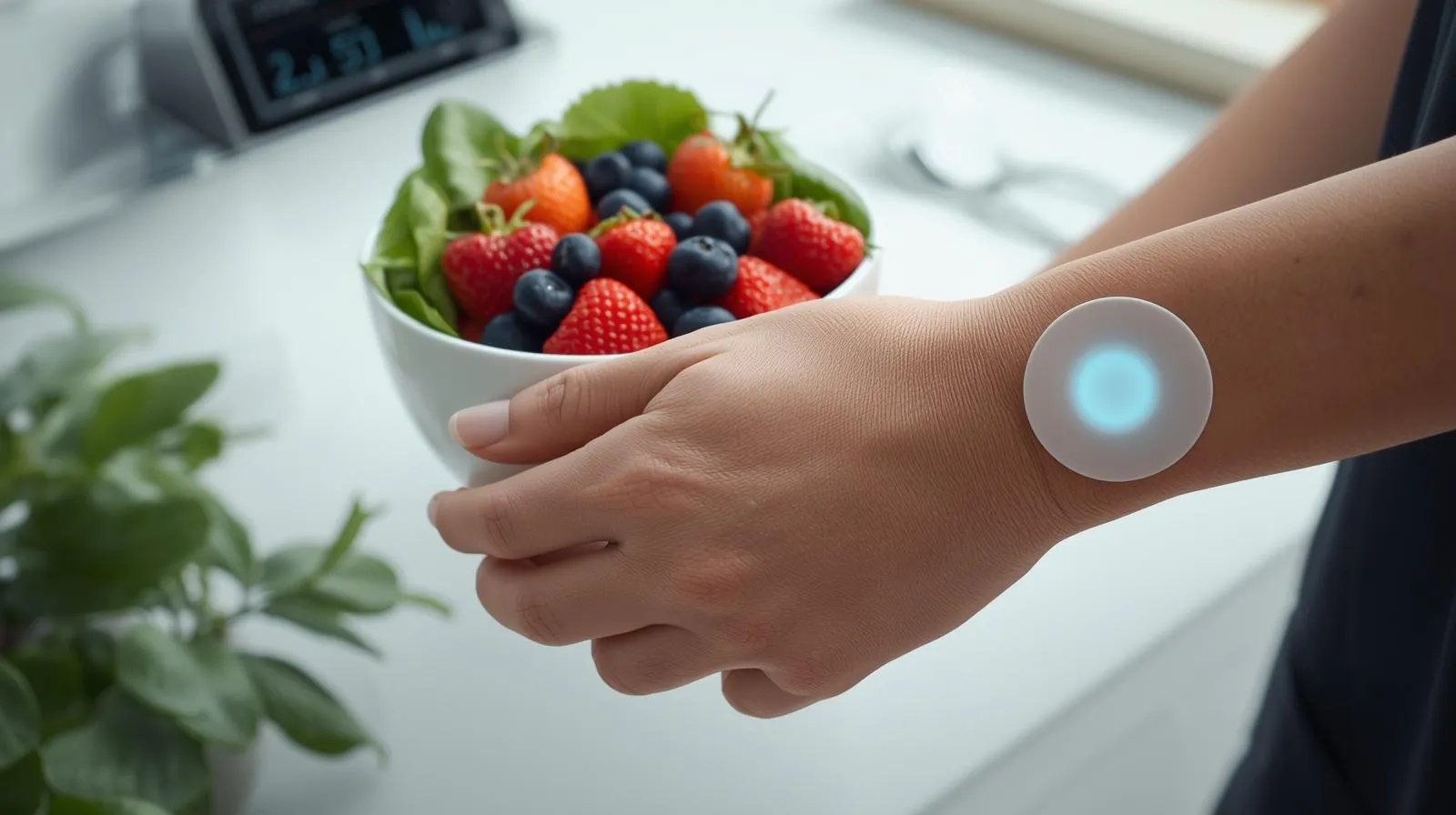
How Wearables Are Reshaping the Relationship Between Food, Culture & Health [wearable technology and nutrition}
Last updated on August 25th, 2026 at 05:27 am
Wearable technology and nutrition – As we strive for better health and enhanced well-being, wearable devices are becoming indispensable tools in our daily lives. But how does this technology connect to food, culture, and people? Imagine a wearable that not only tracks your post-meal glucose levels but also suggests a traditional, low-glycemic recipe from your grandmother’s culture.
This is the untapped potential we’re exploring—how data can deepen our connection to heritage and community through food.
Contents
- 1. How Wearables Are Changing Our Relationship with Food, Culture, and Well-being.
- 2. Using Wearables to Explore Food, Culture, and Health
- 3. Building Community Through Wearable Technology and Nutrition: 4 Global Examples
- 4. How Sweat Sensors Unlock Personalized Nutrition
- 5. Frequently Asked Questions About Wearable Technology and Nutrition
- 6. Source & Credits
How Wearables Are Changing Our Relationship with Food, Culture, and Well-being.
Wearables are taking the world by storm, and they’re not going away anytime soon. Wearables (wearable IoT) are electronic devices or technologies integrated into items that can be comfortably worn on the body. These wearable devices track information in real-time.
Wearable devices have motion sensors that take snapshots of your day-to-day activity and sync them with mobile devices or laptop computers. After the invention of smartphones, wearable electronics are the next significant innovation in the world of technology.
Using Wearables to Explore Food, Culture, and Health
What if your wearable device could do more than count steps—what if it could deepen your connection to your grandmother's recipes? This is the emerging frontier of personalized health: using data not just for optimization, but for cultural exploration. Wearable technology and nutrition are becoming powerful tools for understanding our heritage through the foods we eat.
Consider the continuous glucose monitor (CGM). Traditionally used for diabetes management, these sensors are now helping people understand how their bodies process foods differently. A user of Japanese heritage might discover how their blood sugar responds to sushi rice compared to a friend of Scandinavian descent eating rye bread. This data doesn't dictate what to eat; it starts a conversation about genetics, tradition, and modern health around the dinner table. This is wearable technology and nutrition at its most personal and culturally rich.
Fitness trackers and smartwatches also play a role in mindful cultural eating. By monitoring heart rate variability and stress levels during festive meals, wearables can offer gentle feedback. They help us enjoy cultural celebrations—like Diwali sweets or Thanksgiving feasts—without disconnecting from the body's signals. The goal is not restriction, but awareness.
Wearables are also inspiring social wellness challenges focused on food. Friends and families are using shared data to explore global cuisines together, turning healthy eating from a solitary task into a communal adventure. Whether it's a post-walk smoothie from a new culture or a recovery meal inspired by a traditional diet, technology is helping us rediscover that food is, and always has been, about connection. This intersection of wearable technology and nutrition is transforming how we relate to both our health and our cultural identity.
Building Community Through Wearable Technology and Nutrition: 4 Global Examples
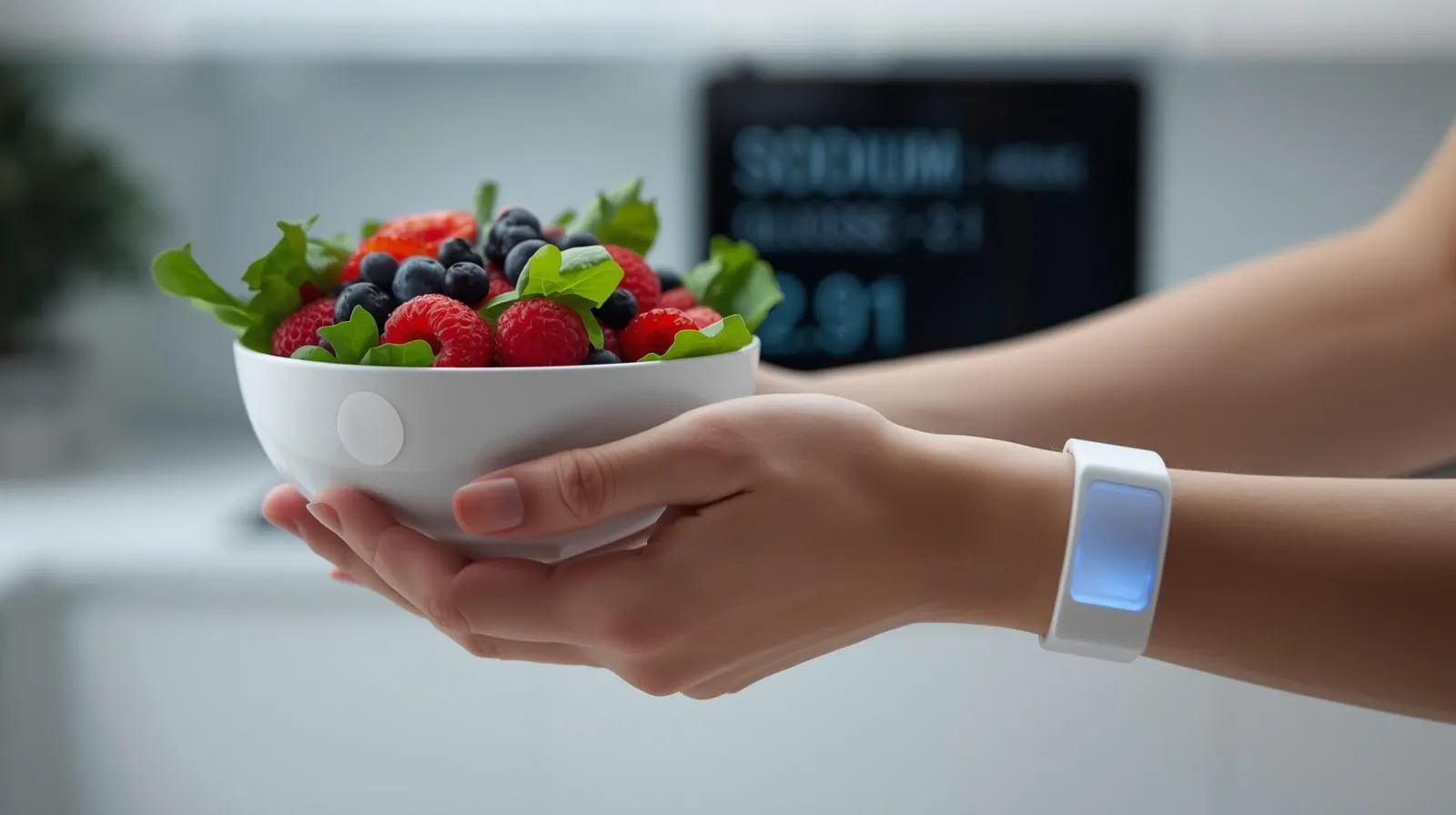
Wearables can encourage shared wellness challenges focused on cooking or trying new cultural foods, turning solitary data into a communal activity. The intersection of wearable technology and nutrition creates a powerful social framework—one where friends, families, or online communities bond over collective health goals while exploring global cuisines. Imagine a "Global Kitchen Challenge" where participants use their fitness trackers or sweat sensors to log how their bodies respond to traditional dishes, then share the results within a group.
🍝 Italian Pasta Night with a metabolic twist
A group of friends wears continuous glucose monitors and gathers for a homemade pasta dinner. They compare real-time sweat or glucose data to see how different pasta shapes, sauces, or even the order of eating (vegetables first vs. pasta first) influences their bodies. The meal becomes a shared science experiment rooted in Italian culinary tradition, demonstrating how wearable technology and nutrition can turn a family dinner into a discovery session.
🌮 Mexican post-workout recovery feast
After a community run or yoga session, participants use sweat sensor patches to check electrolyte loss. Together, they prepare a traditional Mexican recovery drink like "agua de Jamaica" (hibiscus water) or a light pozole, adjusting the recipe based on the group's collective sodium and potassium data. The wearable technology and nutrition connection here turns hydration into a collaborative, culturally rich activity.
🌶️ Indian spice and heart health challenge
Families or neighbors use smartwatches with ECG features to monitor heart rate variability before and after meals featuring regional Indian spices (turmeric, cumin, fenugreek). They create a shared log of how traditional preparations—like a lentil dal or a vegetable curry—affect their cardiovascular readings, sparking intergenerational dialogue about health and heritage.
🌍 West African fufu and fermentation tracking
A community group explores the impact of fermented foods like ogi (fermented cereal pudding) or iru (locust beans) on their gut health using wearables that track heart rate variability and sleep patterns. They share the data in a WhatsApp group, discovering together how these traditional ingredients influence recovery and energy levels, while also preserving culinary knowledge.
In each of these examples, the fusion of wearable technology and nutrition transforms personal health data into a shared cultural experience. It moves wellness from an isolated numbers game to a vibrant, social exploration of identity, tradition, and community. This is the true power of wearable technology and nutrition: connecting us to each other and to our heritage.

How Sweat Sensors Unlock Personalized Nutrition
🧬 The direct link between sweat and your plate
Wearable technology and nutrition are converging in real-time through advanced sweat sensors. These devices analyze the electrolytes, glucose, and metabolites in your sweat, offering immediate feedback on how your body processes the foods you eat.
When you consume a meal, your body responds with measurable changes—glucose spikes, shifts in electrolyte balance, and variations in lactate levels. Sweat sensors capture this data continuously, transforming personal health monitoring into an actionable tool for dietary decisions.
This is where wearable technology and nutrition meet: you can see exactly how a traditional dish or a cultural recipe affects your metabolism, empowering you to make informed choices that honor both your health and your heritage.
Sweat Sensors: Decoding Your Body's Signals
What sweat sensors reveal about your health
Sweat, a seemingly simple bodily function, holds a wealth of information about our health, fitness, and stress levels. For years, understanding the nuances of sweat has been limited to subjective observations – feeling clammy, noticing damp patches, or experiencing the unpleasant sting in the eyes.
However, technological advancements have ushered in a new era of personalized health monitoring through the development of sophisticated sweat sensors. These small but powerful devices are revolutionizing how we understand our bodies, offering real-time insights into our physiological state and paving the way for proactive health management.
The Science of Sweat
Before delving into the technology, it's essential to understand the complex process of sweating. Sweat is primarily produced by eccrine glands, which are distributed throughout the body. Its primary function is thermoregulation – cooling the body through evaporative heat loss.
However, sweat is more than just water. It contains a complex mixture of electrolytes, including sodium, potassium, chloride, and magnesium, as well as trace amounts of other substances. The composition of sweat can vary significantly depending on factors such as hydration status, exercise intensity, stress levels, and underlying health conditions.
This is where wearable technology and nutrition intersect: by analyzing sweat composition, sensors can provide personalized insights into how your body responds to different foods, activities, and environments.
Sweat Sensors: The New Wearable Frontier
How sweat sensors work
Sweat sensors are small, wearable devices that adhere to the skin, often as patches or bands. They employ a variety of technologies to analyze the components of sweat. Some sensors measure sweat production rate, while others analyze the concentration of specific electrolytes.
Electrochemical sensors are commonly used to detect sodium and chloride levels — crucial indicators of hydration status. Other sensors may use optical or microfluidic techniques to analyze a broader range of sweat components.
Excessive head sweating: a biomarker
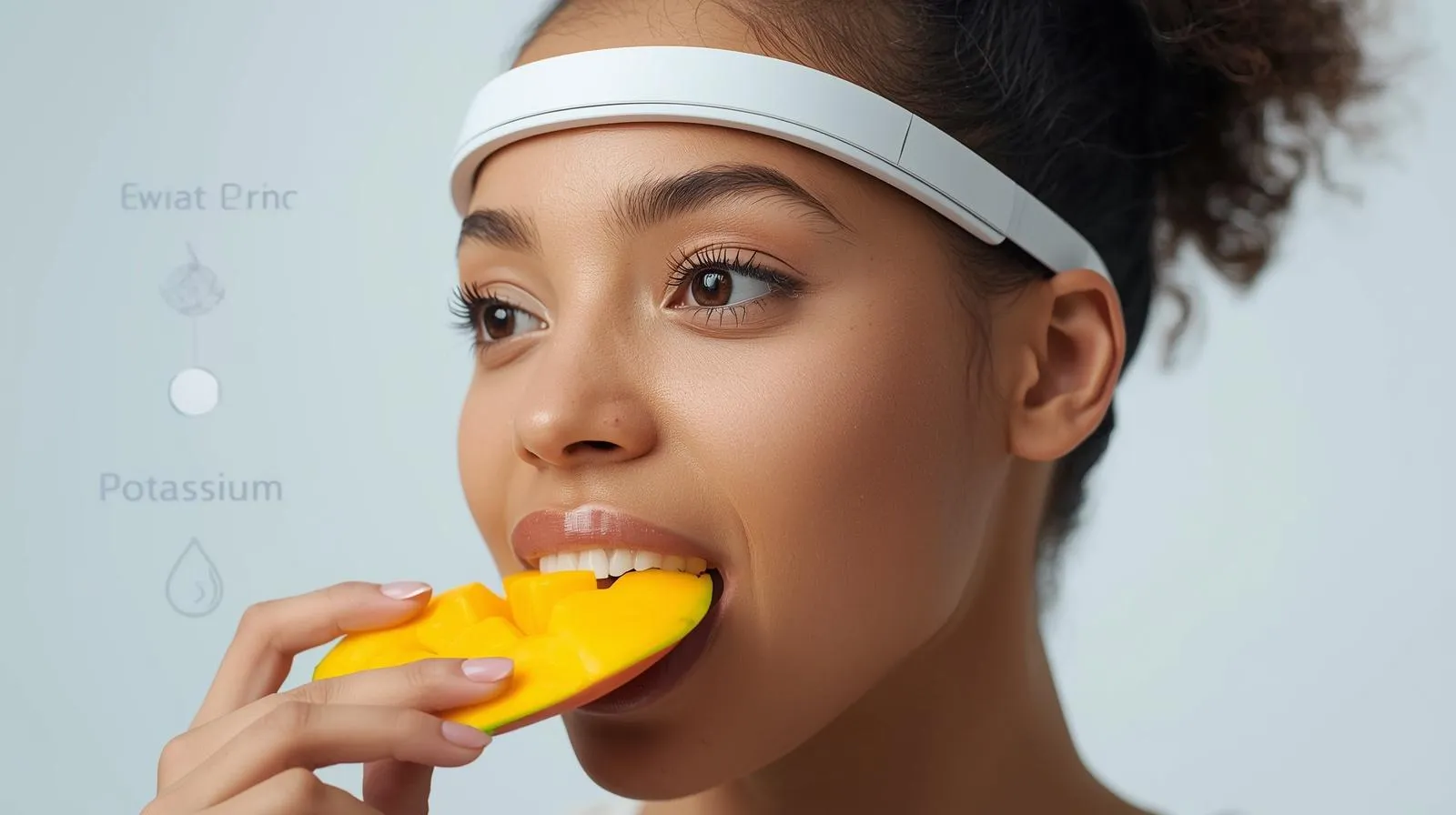
Excessive head sweating is often a physiological red flag. In nutrition, it's linked to Vitamin D deficiency and autonomic nervous system triggers. Because the head has a high density of eccrine glands, it serves as the perfect "testing ground" for the newest generation of sweat sensors.
Researchers are developing sensors specifically for the forehead or headband area — the sweat rate there is high and consistent, making it ideal for continuous monitoring.
Sweat sensors: the new wearable frontier
Traditional wearables (watches) measure movement; new sweat-sensing patches measure chemistry.
Head‑worn sensors are a particularly hot area: because the forehead offers abundant, stable sweat, startups are designing headbands and small patches that track:
- Electrolytes (sodium, potassium) — real‑time hydration markers
- Glucose — non‑invasive glimpse into blood sugar trends
- Lactate — muscle fatigue & metabolic intensity
This moves wearables from step‑counting to molecular insight.
The link to food and nutrition
This is where it hits your meal prep — sweat sensors turn nutrition into a data‑driven conversation:
Glucose spikes
Wearables are moving toward non‑invasive sweat analysis to track how your body reacts to specific foods. A sensor can detect changes in sweat glucose levels shortly after a meal, helping you understand which traditional dishes or cultural ingredients work best for your metabolism.
Metabolic efficiency
By monitoring lactate in sweat during a workout, these devices tell you if you've fueled correctly — or if your body is struggling to convert food into energy (hitting "the wall"). It's direct feedback on whether your pre‑exercise meal hit the mark.
Personalized hydration
The sensor tells you exactly which minerals you are losing (sodium, potassium, magnesium). That allows you to customize your post‑workout "recovery drink" — rather than guessing with a generic sports drink, you can adjust based on real‑time sweat composition. Perfect for those traditional recovery recipes or cultural beverages.
Benefits and applications
The information provided by sweat sensors has a wide range of applications, spanning from athletic performance enhancement to disease management — and, as highlighted above, deep personal insight into food & culture:
Athletic performance
For athletes, sweat sensors provide valuable data to optimize training and prevent dehydration. By monitoring sweat rate and electrolyte loss, athletes can personalize their hydration strategies. This helps prevent muscle cramps, heat exhaustion, and other performance‑limiting issues. Real‑time feedback allows athletes to adjust pace and intensity based on the body's response.
Hydration management
Proper hydration is crucial for overall health. Sweat sensors provide personalized feedback on hydration status, helping individuals understand their fluid needs and avoid dehydration — especially important for older adults, children, and those working in hot environments.
Health monitoring
Sweat sensors hold promise for noninvasive health monitoring. Changes in sweat composition can indicate conditions such as cystic fibrosis, diabetes, and stress. Researchers are using them to detect biomarkers for early diagnosis. For example, sweat chloride levels are a key marker for cystic fibrosis.
Stress management
Sweat production is influenced by the sympathetic nervous system, which is activated during stress. By monitoring sweat rate and conductivity, sensors provide insights into an individual's stress response, enabling personalized strategies like biofeedback or mindfulness.
Personalized medicine & food culture
As sweat sensor technology advances, it will play an increasing role in personalized medicine — and in the way we connect food, heritage, and health. The ability to continuously monitor an individual's physiological state through sweat analysis will enable truly tailored nutrition, respecting both medical needs and cultural food practices.
Frequently Asked Questions About Wearable Technology and Nutrition
Can wearables tell you what foods to eat?
While wearables like continuous glucose monitors (CGMs) and sweat sensors can't tell you exactly what to eat, they provide powerful data about how your body responds to different foods. By tracking glucose spikes, electrolyte loss, or metabolic markers, these devices offer personalized insights that can help you make more informed dietary choices—tailored to your unique biology and cultural food preferences.
Are sweat sensors accurate for tracking glucose?
Sweat sensors are an emerging technology for non-invasive glucose tracking, but they are not yet as accurate as traditional blood-based methods. However, they offer a promising, needle-free alternative for monitoring trends and patterns. Researchers are actively improving their sensitivity and reliability, making them a future frontier for personalized nutrition and health management.
Do smartwatches track nutrition, not just steps?
Most smartwatches primarily track physical activity, heart rate, and sleep. However, newer models and integrated apps are beginning to offer nutrition-related features, such as food logging, calorie estimation, and hydration reminders. For deeper nutritional insights—like glucose or electrolyte levels—dedicated sensors (e.g., CGMs or sweat patches) are currently more effective than standard smartwatches.
What is a CGM and do I need one if I'm not diabetic?
A Continuous Glucose Monitor (CGM) is a wearable device that tracks your blood sugar levels in real-time throughout the day. While originally developed for diabetes management, CGMs are increasingly being used by non-diabetics to understand how their diet, exercise, and stress affect their metabolism. This data can empower you to make more personalized choices about food and lifestyle, but it's not necessary for everyone. Consult a healthcare professional to see if it's right for you.
Source & Credits
We believe in giving credit where it's due. These resources informed and inspired this guide.







The fact that a tiny device on your wrist can act as an early-warning system for your cardiovascular health is revolutionary. I have incredible expectations for the future—imagine a world where we prevent chronic illness entirely because our devices give us a personalized, real-time map of our biometrics every single day!