
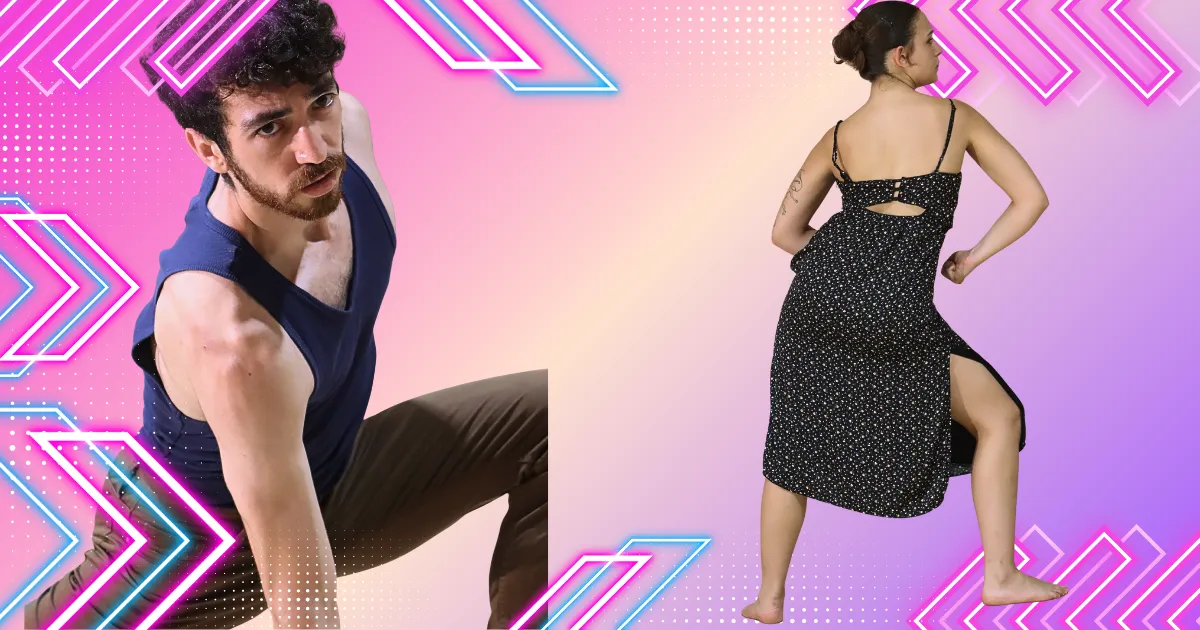
The Art of Dance Photography: Capturing Culture, Movement & Global Traditions
Last updated on October 23rd, 2026 at 03:43 pm
More Than Movement – Preserving Cultural Stories
Capturing the beauty of dance through the lens requires more than just a camera.
It calls for intuition, timing, and the right photography settings. Dance is a moving art form—a blend of motion, emotion, and storytelling.
Understanding Dance Through a Cultural Lens: Art of Dance Photography
When Dance Meets Feast: Celebrations Around the World
Capturing the beauty of dance through the lens requires more than just a camera. It calls for intuition, timing, and the right photography settings.
Dance is a moving art form—a blend of motion, emotion, and storytelling. To truly preserve these moments, your settings must be spot on, your focus sharp, and your eyes trained to anticipate action before it unfolds.
1. Why Dance Photography Stands Out
Unlike static portraiture, dance photography captures cultural expression in motion. When photographing a traditional Georgian perkhuli or a Vietnamese múa lân (lion dance), you’re documenting generations of heritage.
These dances often accompany harvest celebrations, weddings, or religious feasts—moments where food and community intertwine. Your lens doesn’t just freeze a leap; it preserves the joy of a dancer who learned the steps from a grandparent, performed before a communal meal. Understanding the cultural story behind the movement helps you anticipate the authentic expressions that connect viewers to traditions still alive today.
2. Capturing Emotion Through Facial Expressions
A dancer’s face tells a powerful story. From joy and pain to passion and focus, facial expressions connect viewers to the performance. Zoom in occasionally to catch these fleeting moments.
A dancer’s face reveals more than emotion—it tells the story of cultural continuity. Focus on the eyes during a Mexican matlachines dance, where performers honor ancestral traditions before a community feast. Or capture the focused joy of a Cambodian apsara dancer, whose art is inseparable from temple offerings and ceremonial meals.
Use a 70-200mm lens to stay unobtrusive, and shoot in burst mode during the moments when dancers glance toward elders or children in the audience. Those unscripted exchanges capture how dance serves as a living bridge between people, food traditions, and shared identity.
3. Highlighting the Body in Motion
Body posture and muscle tension define the art of dance. Capturing extension, symmetry, and technique matters as much as timing.
Use wide-angle lenses to photograph group performances or dynamic solo moves. For solo shots, aim to capture the peak moment of movement, like the height of a jump or the extension in a turn.
Experiment with angles—shoot from below to emphasize a leap, or shoot from the side to showcase alignment and balance. The dancer’s body is your subject, but light, shadows, and motion trails are your paintbrush.

Expressive Dance Photography Ideas
If you want to go beyond technical precision and explore more creative, expressive dance photography, start by focusing on the story you want to tell. Dance is art in motion, and your photography should reflect that fluidity and feeling.
01. Silhouettes & Shadows
Capture dancers silhouetted against a communal cooking fire or lantern-lit market where food and movement share the same cultural space. Use backlighting or window light to create dramatic silhouettes that highlight the body’s form and movement.
02. Slow Shutter + Motion Blur
Let intentional blur convey the speed and emotion of the dance. Ideal for contemporary, lyrical, or freestyle styles where movement tells the story.
03. Studio Concepts
Use fabrics, flowing dresses, or props like chairs or smoke to emphasize grace, extension, and dynamic motion in a controlled environment.
04. Outdoor Sessions
Shoot dancers in natural environments—urban streets, forests, or beaches—to contrast raw landscapes with polished technique. Photograph dancers in landscapes tied to their culinary heritage, such as rice terraces for Filipino pandanggo or olive groves for Greek zeibekiko.
05. Expressive Close-ups
Focus on hands, feet, or facial expressions to show the emotion and tension behind every move. Zoom in on hands stained with spice or turmeric from food preparation, then dancing—connecting the labor of cooking to the joy of celebration.
Incorporate Storytelling: Ask yourself if the dancer is portraying freedom, struggle, joy, or heartbreak. Work collaboratively with the dancer to choreograph movements that align directly with the core emotion you aim to capture.
Perspectives & Post-Processing: Experiment with dramatic angles—shoot from above for striking visual symmetry or from ground level to emphasize power and reach. Enhance mood and atmosphere using color grading during post-processing. Expressive dance photography goes beyond form—it’s all about feeling.
Capturing Facial Expressions: Emotion in Motion
Facial expressions are often the most emotionally compelling element of dance photography. They connect the viewer to the dancer’s inner world, adding intensity and storytelling depth. Capturing these expressive moments during rapid motion requires a mix of technique and anticipation.
01. Freezing Facial Expressions in Motion
Start with a fast shutter speed (1/800s or higher) to freeze the dancer’s face mid-motion without blurring. Use a medium telephoto lens (such as 85mm or 135mm) to get close enough to capture key facial details without intruding on the dancer’s performance space.
Pay attention to lighting—soft frontal lighting helps define facial features without creating harsh shadows. If you're photographing a live performance, time your shutter to coincide with well-lit stage moments. Anticipate expressions based on the choreography, and shoot in burst mode to capture subtle emotional shifts during high-speed movements.
02. Conveying Emotion Through Body Language
Facial expressions tend to peak during pauses, transitions, or climaxes in the routine. Watch closely for moments when the dancer’s eyes, mouth, or brow tension reveal deep emotion. Sometimes a tear, a clenched jaw, or a subtle smile tells the entire story.
During post-processing, enhance contrast and sharpness slightly to make expressions pop—but take care to avoid altering the emotion artificially. Capturing authentic facial expressions in motion elevates dance photography from simple technical execution to powerful visual storytelling.
Creative Dance Photography: Beyond the Standard Shot
While capturing a perfect jeté or a sharp competition headshot is essential, dance photography offers a playground for creative techniques that produce truly standout visuals. These methods move beyond freezing motion to interpret movement, mood, and artistry in unique ways.
01. Light Painting Dance Photography
Light painting is a niche technique where subjects stand still in a dark environment while a photographer "paints" light around them using a flashlight or light source during a long exposure. The result is a surreal, moody image where the subject appears wrapped in ribbons of light.
While often considered challenging because it requires holding complete stillness for several seconds, when a dancer maintains a held pose, the visuals are extraordinary. It is ideal for promotional imagery and artistic portraits that convey ethereal energy and a signature look.
02. Motion Blur Dance Photography
Unlike fast shutter speeds that freeze action, slower shutter speeds capture the trail of a dancer's movement, conveying speed, energy, and flow.
This technique adds dynamism to spins, leaps, and rapid footwork. Selective motion blur creates a dreamlike, impressionistic quality that brings a sense of life and continuous motion to static galleries.
03. Long-Exposure Ballet Photography
By extending shutter speed and having a dancer move through the frame with a light source—or by moving light around a stationary pose—photographers create images where the dancer's form is traced by streaks of light.
This technique is discussed in trend articles as a way to visualize the grace and continuous motion of ballet. It is a powerful addition to any dance photography portfolio, offering a way to capture the elegance of ballet in a single, striking frame. For photographers exploring creative dance photoshoot ideas, long-exposure work with ballet dancers can yield images that feel both timeless and contemporary.
💡 Key Takeaways for Photographers
Requires stillness—best suited for artistic portraits and conceptual concepts rather than live action.
Conveys energy and speed—ideal for highlighting fluid movement and dynamic social content.
Visualizes grace through light trails—creates a signature signature look for classical and ballet dance.
Each of these techniques offers a distinct way to elevate dance photography beyond the standard. By experimenting with creative dance photoshoot ideas like these, photographers can build a portfolio that stands out and attracts clients seeking something truly unique.
Essential Camera Settings: Mastering Dance Photography
Technical Precision, Lighting & Expression
01. Exposure Triangle & Manual Control
To photograph dancers in action, fast shutter speeds are essential. A speed of at least 1/500s is recommended for most performances, but for crisp leaps or spins, 1/1000s or faster is ideal. Using manual mode gives you complete control over your exposure.
Fast (1/500s – 1/1000s+) to freeze motion and preserve crisp line definition.
Wide apertures (e.g., f/2.8) maximize light gather and create clean background separation.
Increase in low-light stage venues while monitoring digital noise at upper thresholds.
02. Lighting in Dance Photography
Lighting is crucial when photographing dance. Whether you’re shooting in a studio or at a live performance, understanding available light helps you make informed technical choices.
Live Stage Environment: Stage lights can be dramatic but tricky—they change quickly and vary in color temperature. Use custom white balance or shoot in RAW format to simplify color correction in post-production.
Studio Setup: Consider continuous lighting to see how shadows fall across body extensions in real time. Softboxes and ring lights diffuse harsh light, gracefully highlighting facial features and muscle lines.
03. Capturing Emotion & Expression
Dance photography is not just about perfect poses or dramatic jumps—it's about capturing emotion. Facial expressions are often the most emotionally compelling element of dance photography. They connect the viewer to the dancer's inner world.
Freezing Expressions: Use a fast shutter speed (1/800s or higher) to freeze facial details without blur. Medium telephotos (85mm or 135mm) bring you close without invading space. Shoot in burst mode during transitions to capture fleeting glances, clenched jaws, or subtle smiles.
Body Language & Quiet Moments: Don’t overlook the calm between high-impact moves. Eye contact, hand gestures, and subtle body posture reveal raw internal storytelling that completes your portfolio.
04. Editing for Maximum Impact
Post-processing is where your photos come to life. Tweak contrast to emphasize body lines, adjust shadows and highlights to add depth, and crop strategically to focus attention on facial emotion or athletic form.
Maintain Authenticity: Be mindful not to over-edit or artificially alter emotional expressions. The true power of dance photography lies in its natural grace and authentic movement.

❓ FAQ: Creative Dance Photography Techniques
Find answers to common technical questions about shutter speeds, equipment, exposure control, and creative workflows for dance photography.
Q: What shutter speed do I need for motion blur dance photography?
It depends on the speed of the movement and the effect you want. A good starting point is 1/15 to 1/60 second for visible blur trails, or 1/4 to 1 second for more abstract, dreamlike results. Experiment and adjust based on your dancer's speed and the available light.
Q: Can light painting work with active dancers?
Not really. Light painting requires the subject to remain completely still for several seconds during a long exposure. For active dancers, motion blur or long-exposure techniques are better suited. Save light painting for posed portraits and artistic concepts.
Q: What equipment do I need for long-exposure ballet photography?
You'll need a tripod (essential for stability), a camera with manual shutter speed control, and a remote shutter release to avoid camera shake. A dark studio or low-light environment works best for capturing light trails clearly.
Q: Is motion blur dance photography suitable for beginners?
Yes. It's one of the most accessible creative techniques to start with. Begin with a slow shutter speed (around 1/30s) in a moderately lit space, and practice timing your shots to the dancer's movements. You don't need specialized equipment beyond a camera with manual settings.
Q: How do I avoid overexposing long-exposure dance photos?
Use a low ISO (100–400), a small aperture (f/8–f/16), and consider an ND filter if you're shooting in bright conditions. Since long exposures let in a lot of light, these settings help balance the exposure while still capturing light trails.
Q: Can I use these techniques for social media content?
Absolutely. Motion blur and long-exposure shots perform well on Instagram and TikTok because they are visually striking and scroll-stopping. Light painting images also make excellent portfolio pieces and promotional visuals for dance photography services.
Create Your Own Action Sequence
Try Motion Photo Studio and experiment with your own video, selected frames, and composition settings using our #Tool_MS.
Sequence & compositing
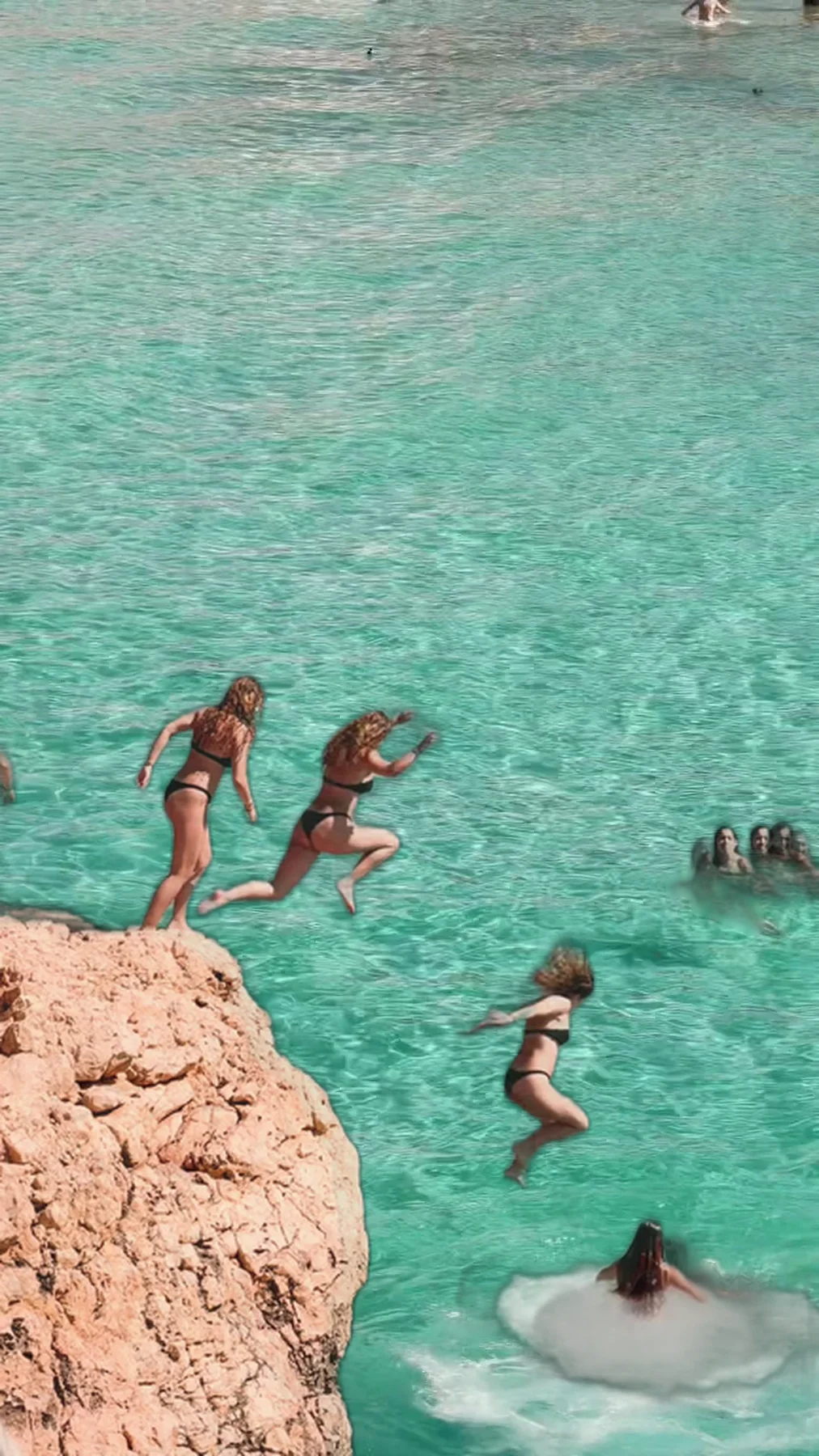
Explore the different stages of a pet's playful leap or a bird's flight path.
📢 share this article
✨ tap to share — help others crack the comment code


4 Comments