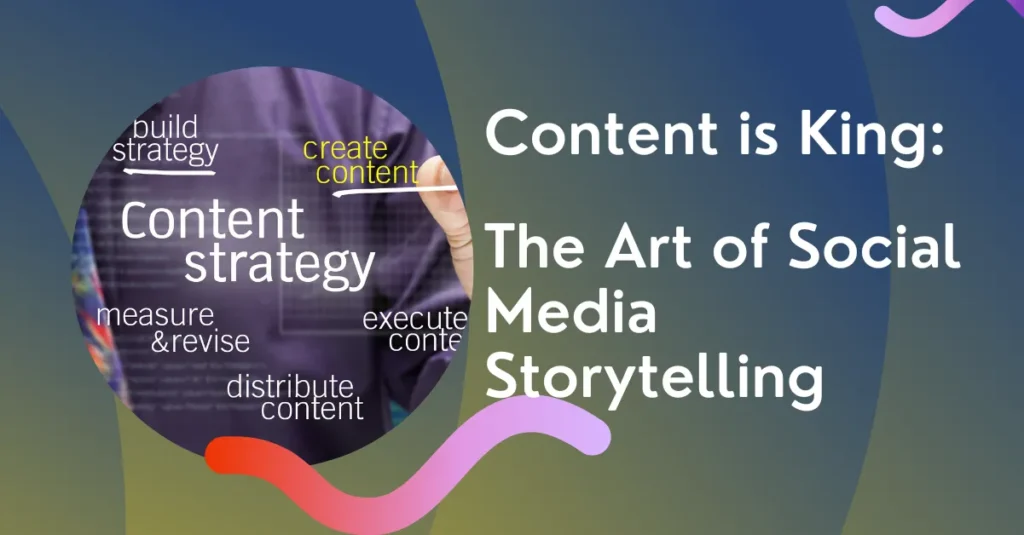
Social Media Content: Whether you’re a solo entrepreneur or leading a small marketing team, understanding what makes content shareable is your first step to organic growth. Quality content is essential for a successful blog, but creating fresh, engaging ideas can be challenging. Fortunately, many content creation tools are available to help streamline the process and inspire your creativity.

Cracking the Code: Creating Viral Social Media Content
Real examples. Real data. Why some posts explode—and others don’t.
What turns a simple post into a global phenomenon? It’s not luck—it’s psychology, timing, and format. Let’s decode the formula with real campaigns you remember.
🧠 The Science of a Viral Hit
Before we dive into examples, understand the pillars that almost every viral post rests on:
High Emotional Charge
Joy, anger, awe, or surprise—strong emotions trigger shares.
The 3-Second Hook
If you don’t grab them instantly, they scroll past.
Participation Cue
A challenge, a duet, a “tag a friend” — invites engagement.
Perfect Timing
Trend jacking or cultural moment alignment.
🦉 Case Study #1: Duolingo’s Gen Z TikTok Takeover
Duolingo’s chaotic owl
Duolingo’s TikTok account (📸 @duolingo) exploded by ditching corporate polish for absurdist humor. Their green mascot appears in surreal sketches, thirst traps, and pop culture riffs. One video—featuring the owl reacting to Vanderpump Rules—raked in 15M+ views.
✅ Why it worked: It felt 100% native to TikTok, not like an ad. It embraced the platform’s chaos, used timely memes, and made viewers feel “in on the joke.”
“i fear i may have gone too far”
📌 18.4M views · 2.1M likes
🍒 Case Study #2: The Fleetwood Mac & Ocean Spray Renaissance

In 2020, Nathan Apodaca (420doggface208) posted a video of himself skateboarding, drinking Ocean Spray cranberry juice, and lip-syncing to Fleetwood Mac’s “Dreams.” It became the defining viral moment of the year—80M+ views, countless parodies, and even a response from Mick Fleetwood.
✅ Why it worked: Pure, unexpected joy. It was authentic (no brand paid for it), relaxing, and tapped into collective nostalgia. Ocean Spray later gifted Nathan a truck filled with juice. The moment transcended advertising—it became culture.
📣 Case Study #3: Bumble’s “Don’t Settle” Billboard Stunt
Bumble took a dig at Netflix’s “The Witcher” by buying a billboard that read: “This is literally a billboard for dating other people.” It referenced a viral moment where a woman’s boyfriend didn’t want her to post about the show. The tweet exploded, and Bumble’s billboard turned it into a national conversation.
@bumble
“This is literally a billboard for dating other people.” 📍Los Angeles
🔁 45.3K · ❤️ 214.7K
✅ Why it worked: Real-time marketing. Bumble listened, reacted instantly, and used a physical billboard to amplify a digital conversation. It was witty, on-brand (empowering women), and shareable.
📊 What These 3 Have in Common
- ✅ Unpolished & authentic — no corporate filter
- ✅ Riding a cultural wave (music nostalgia, trending topic)
- ✅ Invites participation — duets, reactions, shares
- ✅ Short, snackable, visual-first
⚙️ The Modern Viral Toolkit
📸 How to bake virality into your next post:
- Hook in 0-3 seconds — text overlay, unexpected visual, question.
- Use trending audio (on Reels/TikTok) — but make it relevant.
- Add a participation prompt — “tell us your version” or a stitch/duet.
- Keep it under 30 seconds for maximum retention.
- Post when your audience is actually online (check analytics).
❤️ The Emotionally-Charged Post (template)
Here’s a modern, high-empathy post style that consistently overperforms:
“To the person who feels invisible today: we see you.”
➕ simple photo of a crowded street with one person highlighted.
#YouBelong #MentalHealthMatters
Why this works: it’s universal, emotionally resonant, and prompts tagging.









Pingback: Creating Social Media Content That Drives Real Business Results
Pingback: Innovative Marketing Strategies For Small Businesses
Pingback: Content Creation Tools for Small Business Blogs
I am really impressed together with your writing abilities and also with
the layout in your blog. Is that this a paid theme
or did you customize it yourself? Either way keep up the nice
high quality writing, it is uncommon to see a great blog like this one nowadays.