

Image search is a major source of web traffic. In the US, image searches account for a substantial portion of all search queries, and features like Google Lens are making visual search more powerful and popular. This represents a large audience that can be directed to your website.
Why is it a must to use image search for traffic
Offers an “Easy Win” with Lower Competition: Many websites neglect proper image optimization, which presents an opportunity. By implementing basic image SEO best practices, you can often outrank competitors and drive traffic more quickly than with standard text-based search.
Drives Highly Relevant, Commercial Traffic: When optimized correctly, image search can attract users with strong purchase intent. For example, someone searching for “mens-suit-for-job-interview” is likely looking to buy a suit. This is especially powerful for e-commerce, recipes, travel, and tutorials.
Provides Evergreen, Long-Term Results: On platforms like Pinterest, which functions as a visual search engine, optimized content can continue to drive traffic long after it’s published. Pins act like evergreen search results, consistently attracting visitors who are planning, shopping, or seeking ideas.
Enables Discovery Through Visual Context: Modern visual search goes beyond keywords. Search engines and platforms like Pinterest use AI to understand the content of an image—its colors, objects, and composition. This allows your content to be discovered by users looking for a particular “look” or style, even if they don’t use your exact keywords.
Improves Overall SEO and User Experience: Optimizing images with descriptive file names, alt text, and captions doesn’t just help with image search; it also improves overall SEO and user experience. It also provides search engines with more context about your page, which can boost your rankings in regular web search results. Properly sized and compressed images also improve page load speed and user experience, which are direct ranking factors.
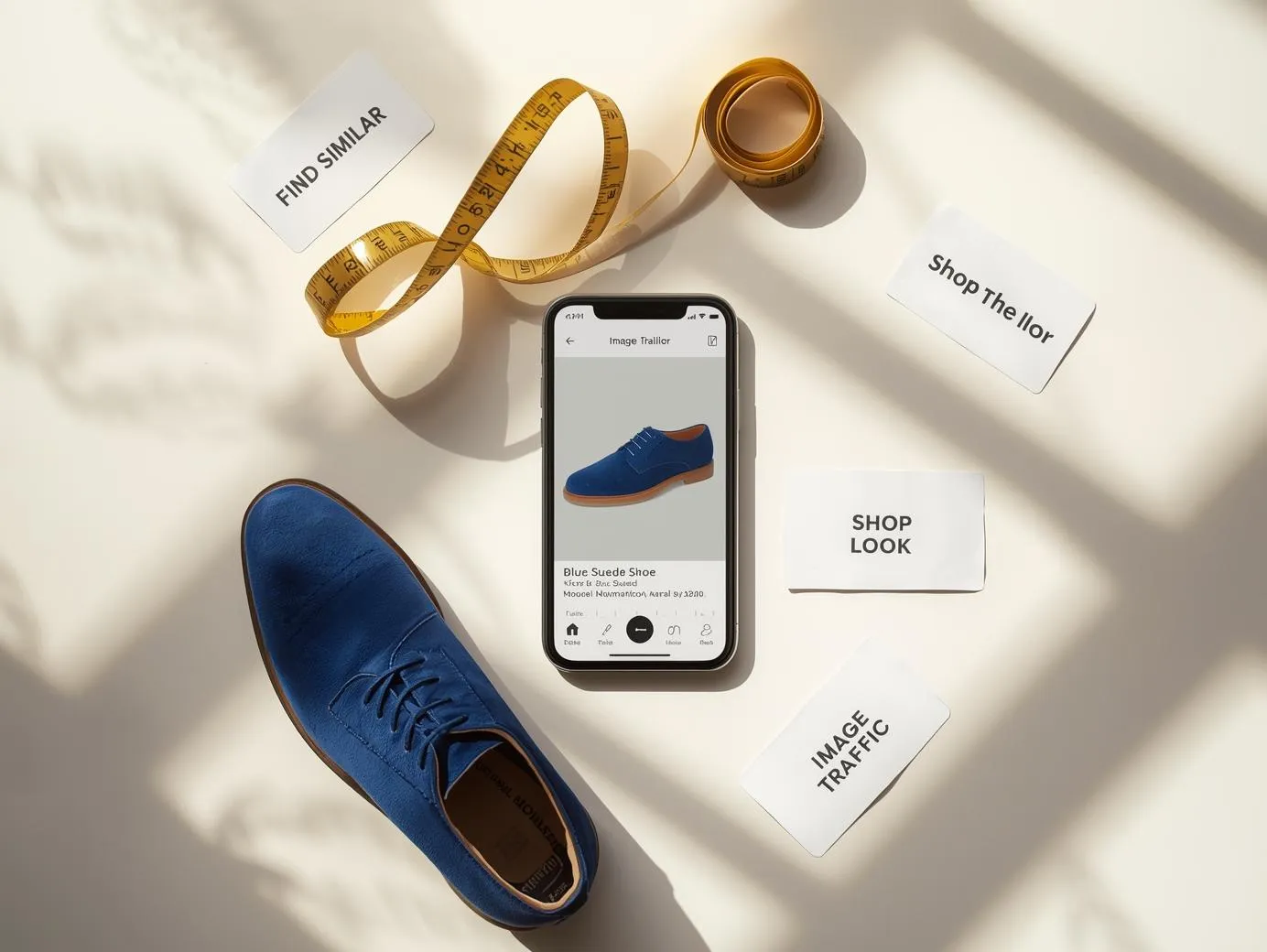
Using Reverse Image Search For SEO
The Benefits Of Using Reverse Image Search Keywords
Reverse image search keywords can drive organic traffic to your website in several ways.
- Firstly, by optimizing your website’s images with relevant keywords, you increase the likelihood of appearing in image-based search results. This can attract new visitors who are specifically looking for images related to your content or products.
- Secondly, reverse-image search keywords can improve the overall user experience on your website. When users find images that are relevant to their search queries, they are more likely to engage with your content and explore further. This increased engagement can lead to longer visit durations, lower bounce rates, and ultimately, improved SEO rankings.
- Furthermore, incorporating reverse image search keywords can help you tap into new markets and reach a wider audience. By catering to image-based searches, you can attract users who may not have found your website through traditional text-based searches. This can open up new opportunities for growth and expansion.
Cons and Risks of Using Image Search Keywords for Traffic
Risk of Irrelevant Traffic and High Bounce Rates: If you attract users with images that aren’t closely related to your main content or business goals, you’ll see high bounce rates. For instance, a blog post about actors might attract traffic from people searching for celebrity photos, but those visitors are unlikely to stay or convert if the site sells software. This can hurt your site’s engagement metrics.
Lower Click-Through Rates (CTR) Compared to Web Search: The user journey from a Google Image search result to your website requires extra steps. Users click on a thumbnail, are taken to a preview page, and must click a “Visit” button to reach your site. This extra friction means click-through rates are lower than for standard web search results.
Can Be Negatively Impacted by Spam and Low-Quality Results: The overall effectiveness of image search can be diluted by spam and low-quality results. Search engine results pages can be clogged with low-quality or irrelevant images from sites that use manipulative SEO tactics, making it harder for high-quality content to be found. For users, encountering irrelevant images is a poor experience that reflects badly on the hosting site.
Incorporating Reverse Image Search Keywords (RiSk) In Your Website Content
Finding relevant RiSk requires a strategic approach. Here are some effective methods to uncover valuable keywords for your website:
| Strategy | Details & SEO Benefits |
|---|---|
| 🖼️ Rename Image File Names | Use descriptive filenames like blue-running-shoes-for-men.jpg instead of IMG_001.jpg.
SEO Benefit: Helps search engines understand your image content.
Tip: Use reverse image search keywords in your filenames to boost visibility. |
| 💬 Optimize Alt Text | Write short, meaningful descriptions like: "Organic green tea packaging with eco-friendly design". SEO Benefit: Improves accessibility and helps your image rank in Google Image Search. Include: Your reverse image search keywords naturally. |
| 📚 Surrounding Text Optimization | Add optimized headings, captions, and context paragraphs around your images. SEO Benefit: Reinforces content relevance and increases search engine trust. Pro Tip: Avoid keyword stuffing—write for humans, optimize for Google. |
| 🗺️ Submit an Image Sitemap | Use tools like Google Search Console or Screaming Frog to submit a sitemap with image metadata. SEO Benefit: Ensures all visual content is discoverable and indexed by search engines. Important: Ensure all image URLs are crawlable. |
| 🚀 Final Thoughts | Optimizing images using reverse image search keywords boosts discoverability, drives traffic, and supports content SEO. In 2025 and beyond: Visual content is search content. Master image SEO to stay ahead of your competitors. |
Case studies of successful websites using reverse image search keywords
Optimizing your website’s images for reverse image search is crucial for improving your SEO rankings and driving organic traffic. Here are some tips to optimize your images:
- Image Compression: Compress your images to reduce file size without sacrificing quality. This improves website loading speed, which is a crucial factor in user experience and SEO rankings.
- Image Format: Choose the appropriate format based on the image’s content and purpose. JPEG is ideal for photographs, while PNG is suitable for graphics and images with transparency.
- Image Dimensions: Resize your images to the optimal dimensions for your website. This ensures that your images load quickly and appear correctly on different devices and screen sizes.
- Image Captions: Include descriptive captions for your images, incorporating reverse image search keywords when relevant. Captions provide additional context and improve user engagement.
To illustrate the impact of reverse image search keywords on SEO and organic traffic, let’s look at some real-life case studies:
- Case Study 1: E-commerce Website: An e-commerce website selling fashion accessories utilized reverse image search keywords to optimize its product images. By including relevant keywords in image file names, alt text, and surrounding text, they significantly improved their visibility in image-based search results. This led to a substantial increase in organic traffic and higher conversion rates.
- Case Study 2: Travel Blog: A travel blog used reverse image search keywords to enhance their destination photos. By incorporating descriptive keywords in the image file names, alt text, and surrounding text, they attracted more visitors looking for travel inspiration. This resulted in increased engagement, longer visit durations, and improved rankings on search engines.
| Reverse Image Search Keywords | Reverse Image Search |
|---|---|
| Definition: Targeted keywords used in SEO image optimization to describe or label images. These include product names, locations, or search terms related to the image’s purpose or content. | Definition: A tool or method to search the internet by using an image instead of text. The system identifies visual similarities or the exact source of an image. |
| SEO Use: Helps images appear in Google Images or Pinterest Search by targeting phrases users actually search for. Example: "ceramic coffee mug with matte finish" as a keyword for image file/alt text. | SEO Use: Used to find where your images appear on other websites, identify image backlinks, or track image copyright violations. |
| Tools: - Keyword Planner - Ubersuggest - Ahrefs / SEMrush (image-related keywords) - Manual search intent analysis | Tools: - Google Images - Google Lens - TinEye - Bing Visual Search - Pinterest Visual Search |
| Optimization Strategy: - Use in image file names - Add to alt text and captions - Include in surrounding content - Build a consistent naming structure | Optimization Strategy: - Conduct searches to find reused images - Track traffic origins from image reposts - Request credit or backlink from sites using your visuals |
| Goal: Improve image indexing and discovery in visual search results to drive organic traffic. | Goal: Monitor image usage, detect duplicates, and analyze where and how your content is being reused across the web. |


Pingback: Visual Search Tools Every Marketer Should Know